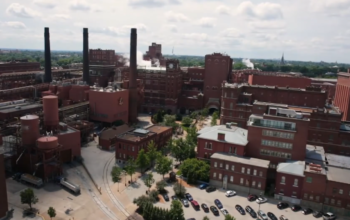
St. Louis, Missouri, has a long history as a prominent center for trade and commerce in the United States. Its strategic location, transportation infrastructure, and economic opportunities contributed to its rise as a vital commercial hub. In this article, we will explore the factors that led to St. Louis becoming a center for trade and commerce.
One of the key factors that propelled St. Louis’s growth as a commercial center was its location. Situated on the western bank of the Mississippi River, St. Louis benefited from being a natural transportation route for goods and people traveling westward. The river served as a vital artery for trade, allowing merchants to transport their goods to and from St. Louis efficiently. The city’s proximity to the confluence of the Missouri and Mississippi Rivers further enhanced its position as a strategic trading point.
The availability of transportation routes beyond the river was another crucial factor in St. Louis’s commercial development. In the 19th century, St. Louis became a hub for the emerging railroad network. The city’s central location made it an ideal transfer point for goods and passengers traveling by rail. Multiple rail lines converged in St. Louis, connecting it to other major cities and regions across the country. The efficient transportation infrastructure allowed for the rapid movement of goods and facilitated the growth of trade and commerce.
St. Louis also benefited from its status as a gateway to the western frontier. During the westward expansion of the United States, St. Louis served as a launching point for explorations, migrations, and trade with the newly acquired territories. The city became a center for fur trading, attracting merchants and trappers from across the region. St. Louis’s role as a gateway to the West brought economic opportunities and contributed to its reputation as a commercial center.
The Louisiana Purchase of 1803 further solidified St. Louis’s position as a center for trade and commerce. The acquisition of this vast territory, which included St. Louis, opened up new markets and resources for the city. St. Louis became a vital trading post for goods flowing between the East Coast and the western territories. Merchants capitalized on the opportunities presented by the Louisiana Purchase, establishing businesses and expanding their trade networks.
The development of a diverse and thriving economy also played a significant role in St. Louis’s commercial success. In the early years, fur trading was a dominant industry, with St. Louis serving as a central hub for fur trappers and traders. As the city grew, other industries emerged, including manufacturing, agriculture, and shipping. St. Louis became known for its production of goods such as tobacco, beer, shoes, and machinery. The city’s economy diversified, attracting entrepreneurs and investors who saw the potential for growth and profitability.
The establishment of trade organizations and commercial institutions further bolstered St. Louis’s position as a center for trade. The St. Louis Merchants’ Exchange, founded in 1836, provided a platform for merchants to exchange information, negotiate deals, and promote their businesses. The organization facilitated trade and helped establish St. Louis as a reputable and reliable trading partner, much like how local locksmiths today help support commerce by providing essential security services for businesses and property owners.
St. Louis’s population growth also contributed to its status as a center for trade and commerce. The influx of immigrants and migrants seeking economic opportunities created a vibrant marketplace. The city’s diverse population brought with it a rich tapestry of cultures, traditions, and goods. This cultural diversity not only enriched the social fabric of St. Louis but also stimulated trade and fostered a cosmopolitan atmosphere.
Moreover, the city’s commitment to infrastructure development played a crucial role in its commercial success. St. Louis invested in the construction of transportation networks, including roads, bridges, and canals, to facilitate the movement of goods and people. The city’s commitment to modernization and progress made it an attractive destination for businesses and traders.
In conclusion, St. Louis’s rise as a center for trade and commerce was influenced by several factors. Its strategic location, transportation infrastructure, status as a gateway to the West, and diverse economy all played significant roles in attracting trade and stimulating economic growth. The city’s historical legacy as a commercial hub continues to shape its identity and contribute to its vibrant business community.