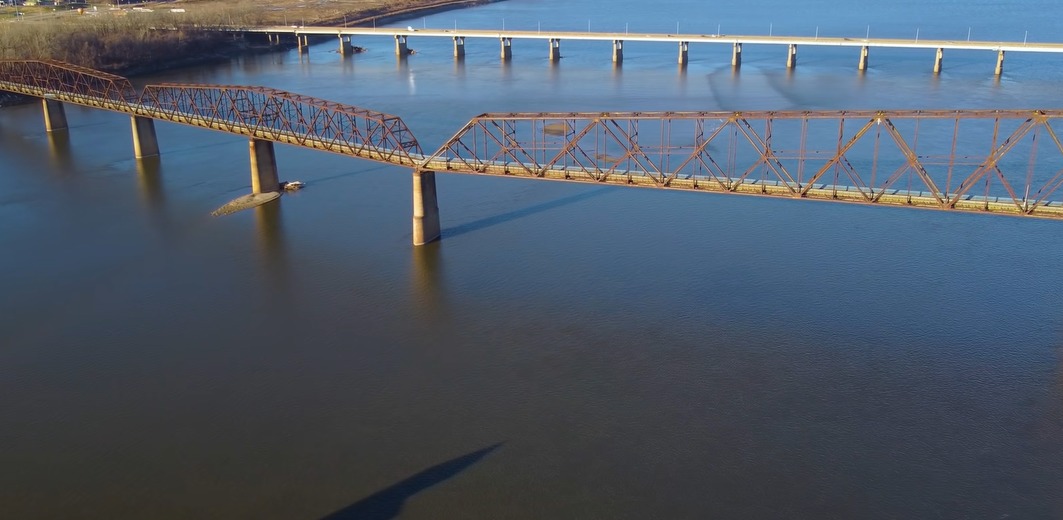
The Mississippi River is one of the most iconic rivers in the United States, and St. Louis, Missouri is located right on its banks. But what is the history of the St. Louis River, as it’s sometimes called? In this article, we’ll explore the rich history of this important waterway and its significance to the city of St. Louis.
The St. Louis River is actually a tributary of the Mississippi River, and it runs for about 24 miles through the city before emptying into the larger river. The river’s history dates back to the early days of St. Louis, when French fur traders first explored the area in the late 17th century. The river was originally known as the “Rivière à la Raisin,” or “Grape River,” due to the abundance of wild grapes that grew along its banks.
In the early days of St. Louis, the St. Louis River was an important transportation route, used to transport goods and people up and down the river. The river was also used for fishing and hunting, and provided a source of fresh water for the growing city.
As the city of St. Louis grew, the St. Louis River became increasingly important for industry. The river provided water power for mills and factories, and was used to transport goods like lumber, coal, and grain. By the late 19th century, the St. Louis River was a major hub for industry in the city.
However, the St. Louis River was also notorious for its pollution. Industrial waste and sewage were dumped directly into the river, making it one of the most polluted waterways in the country. In the 20th century, efforts were made to clean up the river, but it remained polluted for many years.
Today, the St. Louis River is a popular destination for recreation. The Riverfront Trail runs along the river, providing a scenic route for walking, jogging, and biking. The river is also used for boating and fishing, and there are several marinas and boat ramps along its banks.
In recent years, efforts have been made to restore the St. Louis River and improve its water quality. In 2010, the U.S. Environmental Protection Agency designated the St. Louis River as an Area of Concern, due to its history of pollution and habitat degradation. Since then, a number of projects have been undertaken to improve the river’s water quality and restore its ecosystem.
One such project is the River des Peres Watershed Coalition, a partnership of government agencies, non-profit organizations, and community groups that works to improve the health of the St. Louis River and its tributaries. The coalition has implemented a number of programs and projects to reduce stormwater runoff and prevent pollution from entering the river.
Another project is the St. Louis Riverfront Butterfly Byway, a pollinator garden that was created to provide habitat for butterflies and other pollinators. The garden is located along the Riverfront Trail, and features a variety of native plants that attract butterflies and other pollinators.
The St. Louis River is an important part of the city’s history and culture, and it continues to play a vital role in the city’s economy and recreation. While the river’s history has been marked by both industry and pollution, efforts are underway to restore its health and improve its water quality. With continued investment and attention, the St. Louis River will remain an important part of the city’s identity for years to come.