St. Louis, Missouri is a modern city with a rich history dating back to the early days of European exploration and settlement in North America. However, it is not known to have been home to any ancient cities or civilizations. In this article, we will explore some of the pre-Columbian cultures that inhabited the region that would later become St. Louis.
The area now known as St. Louis was inhabited by various Native American tribes for thousands of years before the arrival of Europeans in the 17th century. These tribes included the Osage, Missouri, and Illinois peoples, among others.
One of the most significant pre-Columbian cultures in the region was the Mississippian culture, which flourished between around 800 and 1600 AD. This culture was characterized by large, complex societies that built monumental architecture and engaged in extensive trade networks.
The Mississippian culture is perhaps best known for the mounds that they built throughout the region. These mounds were earthen structures that served a variety of purposes, including burial sites, ceremonial centers, and platforms for important structures.
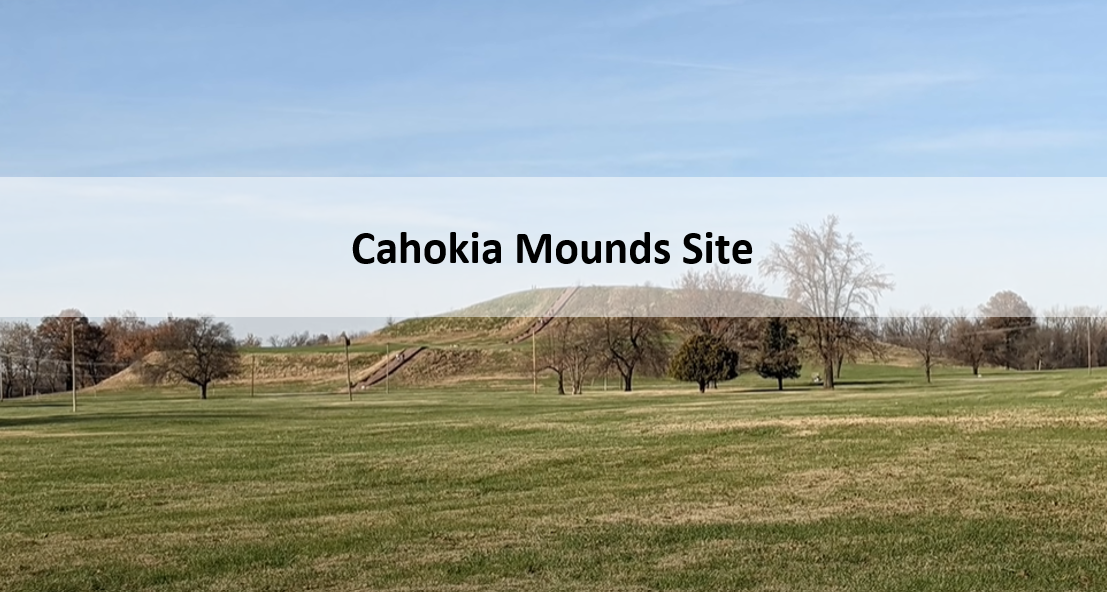
One of the most significant Mississippian sites in the St. Louis area is the Cahokia Mounds State Historic Site. This site, located in nearby Collinsville, Illinois, was once home to a large Mississippian city that spanned over 6 square miles and housed up to 40,000 people at its peak.
The Cahokia Mounds site contains several large earthen mounds, including the famous Monk’s Mound, which is the largest earthen structure in North America. The site also features a reconstructed wooden palisade, as well as several reconstructed buildings that give visitors a glimpse into what life was like in the ancient city.
Another important Mississippian site in the St. Louis area is the Emerald Mound and Village site. Located in present-day Ste. Genevieve County, Missouri, this site was home to a Mississippian village that may have housed up to 1,000 people at its peak.
The Emerald Mound itself is a large earthen structure that was likely used for ceremonial purposes, and is believed to have been built around 900 AD. The site also contains several other mounds, as well as evidence of a palisade and other structures.
While these sites are not located within the boundaries of modern-day St. Louis, they are important reminders of the rich pre-Columbian history of the region. They also demonstrate the incredible engineering and architectural skills of the ancient peoples who once inhabited the area.
In addition to the Mississippian culture, there were many other pre-Columbian cultures that inhabited the region that would later become St. Louis. These included the Hopewell culture, which flourished between around 200 BC and 500 AD, and the Woodland culture, which existed between around 1000 BC and 1000 AD.
The Hopewell culture is known for its elaborate burial mounds, as well as its extensive trade networks and artistic achievements. The Woodland culture, on the other hand, is characterized by the use of pottery and the development of agriculture.
In conclusion, while there were no ancient cities in St. Louis itself, the region was home to several significant pre-Columbian cultures, including the Mississippian culture. The Cahokia Mounds State Historic Site and the Emerald Mound and Village site are two examples of the incredible engineering and architectural achievements of these ancient peoples, and serve as important reminders of the rich history of the region.