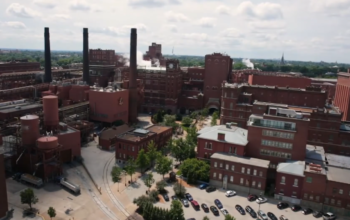
St. Louis, Missouri, played a pivotal role in the growth and development of the railroad industry in the United States. As the nation expanded westward, St. Louis emerged as a vital transportation hub and a gateway to the western frontier. In this article, we will explore how St. Louis contributed to the growth of the railroad industry and its impact on the city’s development.
In the mid-19th century, St. Louis became a strategic point for the emerging railroad network due to its central location and proximity to the Mississippi River. The city’s position as a crossroads of major trade routes and its connection to waterways made it an ideal location for railroad development. Several key factors propelled St. Louis to the forefront of the railroad industry.
One of the crucial developments that spurred the growth of railroads in St. Louis was the Pacific Railroad Act of 1862. This legislation paved the way for the construction of the First Transcontinental Railroad, linking the eastern and western parts of the country. St. Louis was selected as one of the starting points for the project, and the Pacific Railroad, later known as the Missouri Pacific Railroad, began its journey from St. Louis to the western frontier.
St. Louis’s strategic location also made it a vital transfer point for goods and passengers traveling by rail. The city became a major hub for the distribution of goods, connecting various regions of the country. St. Louis served as a central point where products from the East and Midwest were consolidated and transported further westward. The efficient transportation of goods facilitated trade, industry, and economic growth in the city.
St. Louis’s role as a railroad hub was further solidified with the establishment of several major railroad companies. The Wabash, St. Louis and Pacific Railway Company, also known as the Wabash Railroad, had its headquarters in St. Louis and operated an extensive network of rail lines connecting the city to the Great Lakes region. The Missouri-Kansas-Texas Railroad, commonly known as the Katy Railroad, also had a significant presence in St. Louis, providing connections to the southern and western states.
The growth of the railroad industry brought significant benefits to St. Louis. The city experienced a population boom as workers flocked to the area to seek employment opportunities created by the railroad companies. The increased trade and commerce boosted the local economy and spurred the development of supporting industries. St. Louis became a center for manufacturing and industrial activity, producing railroad equipment, including locomotives and railcars.
The railroad industry also had a profound impact on the physical landscape of St. Louis. The city witnessed the construction of grand train stations, such as Union Station, which became a symbol of St. Louis’s prominence in the railroad era. Union Station, once the largest and busiest passenger rail terminal in the world, served as a gateway to the West and a bustling center of activity.
Moreover, the growth of the railroad industry led to the expansion of St. Louis’s transportation infrastructure. The city invested in the construction of railway bridges, viaducts, and track networks to accommodate the increasing rail traffic. These infrastructure improvements not only enhanced the efficiency of transportation but also had a lasting impact on the city’s urban development and layout.
The railroads in St. Louis played a critical role in connecting the city with other major metropolitan areas across the country. The establishment of efficient rail links facilitated travel and communication, allowing people and ideas to flow more freely between St. Louis and other cities. This connectivity fostered cultural exchanges, trade partnerships, and the sharing of knowledge, contributing to the overall growth and development of the city.
However, with the advent of the automobile and the decline of passenger rail travel, the significance of St. Louis as a railroad hub diminished in the latter half of the 20th century. Many rail lines were decommissioned, and the focus shifted towards other modes of transportation. Nevertheless, the legacy of St. Louis’s contributions to the growth of the railroad industry is still evident in its historic train stations, rail-related infrastructure, and the city’s transportation heritage.
In conclusion, St. Louis played a crucial role in the growth of the railroad industry in the United States. The city’s central location, its connection to waterways, and the establishment of major railroad companies made St. Louis a vital transportation hub. The railroad industry brought economic prosperity, population growth, and urban development to the city. While the prominence of railroads has waned in recent decades, St. Louis’s rich railroad heritage continues to be celebrated and preserved as a testament to its significant contributions to the growth of the industry.